INVESTMENT
Vulcan Energy's €2.2B Lithium Project Is a Go
Vulcan Energy Resources secures €2.2B financial close for Europe's largest geothermal lithium project in Germany's Upper Rhine Valley
15 Jun 2026
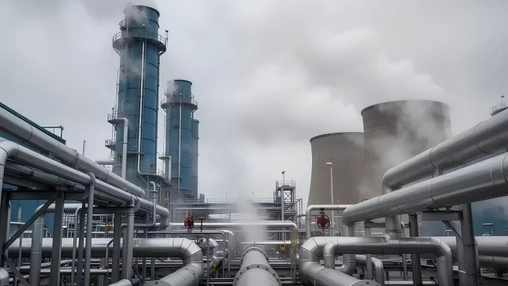
Beneath the fields of south-western Germany, briny water carries a resource that carmakers covet. On June 8th, Vulcan Energy Resources announced it had reached financial close on €2.2bn ($3.9bn) for its Lionheart Project in the Upper Rhine Valley, clearing the way for construction to begin.
The project is designed to extract lithium from geothermal brine while generating renewable power from the same process. Annual output is targeted at 24,000 tonnes of battery-grade lithium hydroxide. No comparable facility exists in Europe.
Backers include the European Investment Bank, the German government, Hochtief, and Siemens Financial Services. That breadth of institutional support reflects something real: geothermal lithium has crossed from speculative to credible, at least in the eyes of those deploying capital.
The commercial logic is not hard to follow. European battery supply chains depend heavily on lithium imported from elsewhere, leaving manufacturers exposed to price volatility and geopolitical disruption. A domestic supply yielding refined lithium hydroxide alongside clean electricity would reduce that exposure. Automakers across the continent, racing to meet tightening emissions targets, have every reason to watch the Upper Rhine Valley closely.
Lionheart's financing structure has itself attracted notice. Analysts have highlighted the deal as a reference case for blending export-credit support, commercial lending, and strategic equity. Developers of other European critical-mineral projects are already studying it.
Risks, of course, remain. Geothermal lithium extraction at industrial scale is still largely unproven. Cost overruns, technical delays, and shifting lithium prices could complicate a timeline that already extends to the end of the decade. Full output before 2030 is the target; meeting it is another matter.
Still, the funding milestone is consequential. For years, European policymakers have spoken of reducing dependence on imported critical minerals. Lionheart is among the first projects on the continent to move from ambition to construction financing. Whether it delivers on schedule will say much about whether others follow.
Related News


SUBSCRIBE FOR UPDATES
By submitting, you agree to receive email communications from the event organizers, including upcoming promotions and discounted tickets, news, and access to related events.